
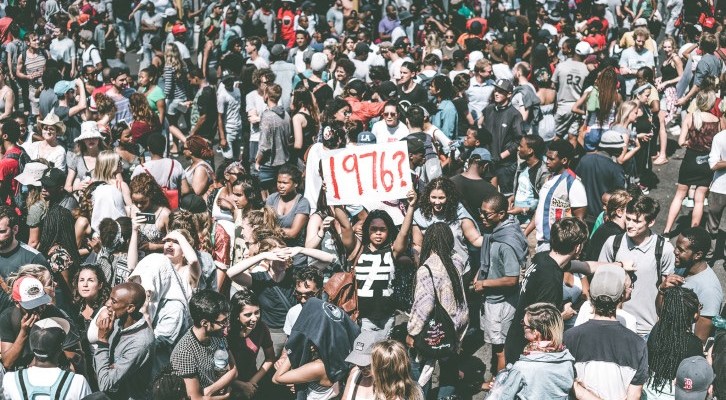
South Africa was built on the backs of its youth.
Many of the outsize icons celebrated as struggle heroes joined the fight against Apartheid as young men and women. Having had whatever innocence they may have enjoyed stolen by the Apartheid regime, they threw all of their energies and dreams and passion into the project of a free South Africa.
That freedom hasn’t come as easily or as quickly as any of them hoped. Today’s youth continue to live with the reverberations of Apartheid. Official statistics tell us that 60,7% of young South Africans are unemployed. Youth health is on the decline with more young people experiencing chronic illness. Yawning race and class gaps continue to plague the country’s economy and education sector. In spite of this, hope springs eternal. The country’s youth remain motivated and vocal about a range of social issues that affect them directly.
This combination of passion and hope, amidst desolate and dire circumstances occupies the national imagination. Much of civil society focuses on harnessing and mobilizing this unique cocktail to effect change. For the most part, this is a good thing. I think. But civil society in South Africa is a massive many-headed beast that often operates within carefully curated silos or, focus areas, as they are known in trade lingo. Many parts of civil society operate without regulation and answer to the authority of international funders.
It is within this environment that our country’s youth – that fresh source of vibrant hope against post-Apartheid desolation – often find themselves. The unregulated and unchecked nature of operations sometimes putting these young people at risk.
Witness the story of Avethandwa Nokhangela. A recent inquiry determined that her death by drowning at a youth camp run by NGO Equal Education was due to the organization’s negligence. See also Pontsho Pilane’s undercover foray into the world of non-profit ‘crisis pregnancy centres’ in which she found a mess of anti-abortion propaganda posing as counseling and support for scared young women.
These are just two examples. I’ve been working in civil society for most of my career and I’ve seen similar things play out. As a country, we have seemingly given over custody of our youth to the forces of civil society. Those forces, as well-intentioned as many of them are, do not always operate with the well-being and care of these young people at the front of their minds. They do rely heavily on young people and the energy and passion and renewal they herald in order to push their particular agendas.
South Africa is a young country but our problems our ancient. The past, as they say, has far-reaching, sticky tentacles. In our country we continue to feel it in the socioeconomic inequality and instability experienced by our youth. Instead of standing in the breach or beside our youth, we have ceded authority to civil society. Maybe because we’re tired. Maybe because the youth of this country always seem so energetic and ready for the next fight.
They are still our youth. Their lives and their passionate engagement with this country are precious. Perhaps the most precious resource we have. We would do well to watch them carefully – so they are not exploited and depleted, and so we can continue to learn and grow through them.
Featured image by Imraan Christian
 Rumbi Writes