
I have an uneasy relationship to true crime content. These are real lives destroyed in some form or another, and it never feels quite right to consume these narratives as we do our laundry, clean out our fridges etc.
On the other hand, there’s a reason women enjoy such content. By listening to the details, and the stories mapped for us, we perhaps turn the volume up on that silent whisper emanating from our ‘lizard brain‘ warning us when we are in harm’s way.
Take Phyllis Armstrong. In 1974, she briefly considered helping a nice-enough, polite young man wearing a sling who needed help with his car. Just as she was about to fall victim to one of the most notorious serial killers in contemporary history, she heard the whisper and ran. It made no sense to her at the time. Weeks later, her sorority sister became the latest victim in a killing spree that lasted years, crossed state lines and claimed more than 30 young women’s lives.
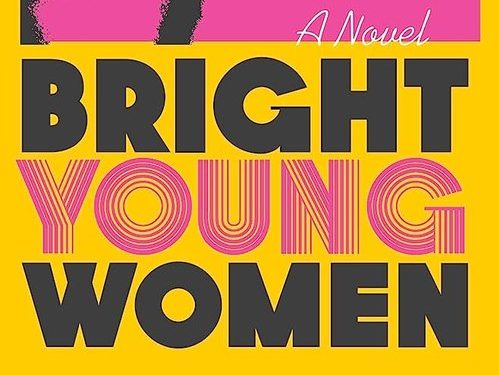
There’s a heartbreaking scene in BRIGHT YOUNG WOMEN, Jessica Knoll’s fictional reimagining of this particular serial killer’s crimes. The fictional character Ruth, remembering a story her father told her about the importance of being kind, even when you least feel like it (and perhaps drawing on her own experiences of being treated unkindly as a queer woman in the 70s) decides to ignore her lizard brain. She ignores it all the way to his car, all the way to a home he claimed was his, right up until the moment she realises the trick and it is too late to run.
The point of Ruth’s story is that the trick is not all that elaborate. Her story is based on the true story of the abductions of two women from Lake Sammamish. In eye witness accounts of that afternoon, the women he abducted – and later killed – were not the first he approached. He donned his signature sling, indicating incapacity, and approached woman after woman. It’s a numbers game. Sooner or later, you’re bound to find a woman who has been raised to ignore her self and help out a polite, somewhat creepy, young man. He’s not especially conniving or clever. He’s not even as magnetic as the endless stream of biopics and documentaries attest. At the end of the day, he understands the gaping crevasses that consistent misogyny creates in women’s psyches, and he dives on in.
BRIGHT YOUNG WOMEN is a beautiful evocation of a truly terrible set of events. It reveals what this particular genre of true crime content could be if it tried harder. Instead of continuing to pretend that these men – these simple, unremarkable plebs – are geniuses, we need to look at the society we have built that protects and elevates these garden-variety woman-haters to notoriety on the backs of bright young women. It tells a truth we all know, deep-down in those lizard brains of ours: men who hate women are not clever. They are nothing special. They cannot find their own way in the world and, instead, use their destructive energy against people who are the exact opposite. It’s time we examined the weaknesses in our communities that allow them to get away with that, time and again.
Knoll’s novel is powerful in bringing this dark, but simple truth to light. Next time, you’re craving a hit of truth with your crime, I recommend you try it out.
 Rumbi Writes